From a technical standpoint, water is a low-viscosity fluid with a density of approximately 1,000 kg/m³, which facilitates its transport even over long distances but makes the entire system more susceptible to leaks and pressure fluctuations throughout the network.
The performance of the systems is directly influenced by its physical properties, such as its high thermal capacity, which makes it ideal for cooling and heat exchange in mechanical components.
However, the presence of salts and minerals can promote the formation of scale and deposits, while fluctuating pH levels significantly increase the risk of corrosion, requiring careful selection of construction materials to ensure the fluid’s stability over time.
Contamination control is critical, as even the slightest impurities can compromise the performance of technical circuits or industrial applications.
The most common problems involve the presence of sediment and the growth of biofilm or bacteria within distribution lines. A key concern is the microbiological risk associated with Legionella, which requires the design of systems free of stagnant water and configurations that facilitate regular cleaning.
To preserve the integrity of the system, distribution devices must incorporate protective measures based on appropriate filtration and oxidation-resistant materials.
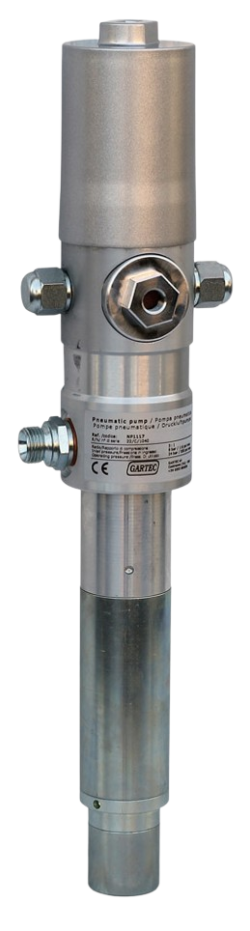
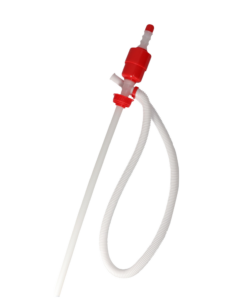
Water distribution systems follow strict criteria for sizing pipelines and controlling operating pressures. The selection of pumping systems must be based on the required flow rate and the network configuration to avoid inefficiencies and premature wear of components.
Proper design is essential to prevent phenomena such as cavitation, which can occur when pressure drops below critical levels, causing structural damage to pumps and valves.
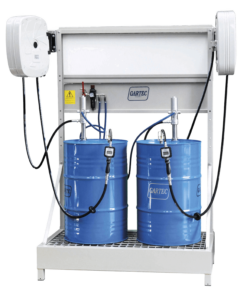
The integration of professional pumping systems ensures operational precision and flow stability, which are critical for supporting modern industrial processes.
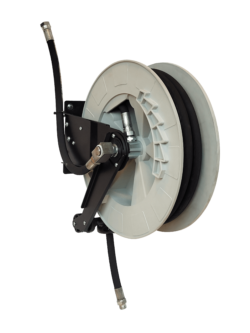
In the management of water distribution lines, hose reels play an essential role in maintaining order and efficiency at workstations. These components are designed to ensure:
- protection of pipes against crushing and kinking that could impair flow;
- reduced risk of accidental damage and premature wear;
- improved ergonomics and operational safety for staff;
- Neat organization of the lines at the various workstations in the workshop or plant.
The use of professional hose reels ensures a longer service life for the entire system and makes it easier to use the fluid on a daily basis in production areas.
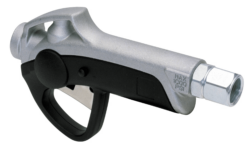
To ensure precise and controlled water delivery, the system must be equipped with spray guns and accessories designed to withstand high stress.
A comprehensive water management system includes:
- professional spray guns with instant flow control to reduce waste;
- quick-connect systems and high-seal fittings;
- valves and filters for maintaining fluid purity;
- components made of corrosion-resistant materials to ensure long-term reliability.
Using high-quality accessories helps optimize washing and filling operations, improving operational precision and reducing processing time.
Distribution systems can be configured with a high degree of flexibility, ranging from simple solutions for individual workstations to centralized networks with multiple simultaneous dispensing points.
In more structured industrial settings, the design must take into account the production layout and future expansion needs, ensuring stable pressure even under conditions of intensive use.
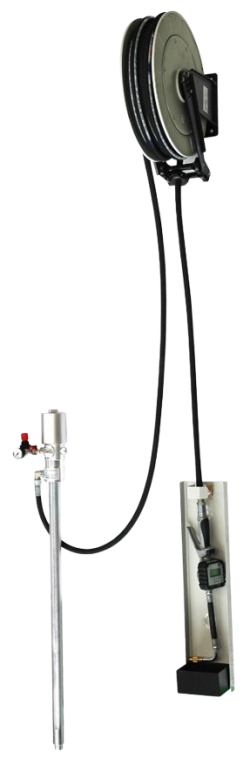
The seamless integration of pumps, hose reels, and spray guns enables the creation of reliable, optimized systems capable of meeting the quality and safety standards required by modern workshops and advanced production processes.