Products AdBlue

Insight Operational Management and Distribution of AdBlue in Industrial and Automotive Systems

The management of AdBlue requires compliance with strict standards to ensure the quality of the fluid and the proper functioning of SCR systems. The use of specialized equipment and compatible materials is essential to prevent contamination and reduce the risk of downtime.

Proper AdBlue management depends on three key factors:

  • Fluid purity: even minimal contamination from dust, metal particles, or lubricants can damage the catalyst.
  • Material compatibility: Due to its corrosive nature, stainless steel and specific polymers must be used, while reactive metals should be avoided.
  • Control of crystallization: Exposure to air can cause solid deposits to form, which can clog pumps and lines.

Proper management therefore requires closed systems, certified components, and monitoring of operating conditions to ensure continuity, safety, and reliability over time.

What is AdBlue and why is quality so important?

From a technical standpoint, AdBlue is a solution defined by the international standard ISO 22241 as AUS 32 (Aqueous Urea Solution), whose standard composition includes:

  • 32.5% technically pure urea
  • 67.5% high-purity deionized water

This formulation ensures optimal chemical reaction in SCR systems, where urea is converted into ammonia to reduce nitrogen oxides in exhaust gases. The ISO standard also specifies precise limits for various chemical parameters, including:

  • urea content
  • presence of biuret
  • alkalinity (as NH₃)
  • insoluble residues
  • aldehydes
  • concentration of metals such as iron, copper, zinc, or nickel

Any impurities, such as traces of metals or dust, can disrupt the chemical reaction in the SCR catalyst and cause malfunctions, deposits, or a reduction in the efficiency of the emission control system. To maintain the fluid’s effectiveness, every AdBlue transfer operation must therefore be performed using equipment that ensures maximum cleanliness and prevents contact with oils or fuels.

Physical and chemical properties relevant to storage and distribution

The density of AdBlue is approximately 1090 kg/m³ at 20°C; it is a fluid with a viscosity similar to that of water. A critical factor for logistics management is AdBlue’s freezing point, which is around -11°C. A professional AdBlue dispenser must therefore be designed to handle these characteristics, protecting the liquid from extreme temperatures that could cause the product to crystallize or undergo chemical decomposition.

ISO 22241 Standard: Storage and Stability in the Supply Chain

The product's shelf life is governed by ISO 22241. The shelf life of AdBlue depends heavily on storage conditions. For example, its shelf life decreases from 36 months when stored below 10°C to just 12 months when temperatures exceed 30°C. For safe storage of AdBlue, it is best to keep the fluid within a temperature range of -5 to +25°C.

Materials compatible with AdBlue pumps and distribution systems

The choice of components is critical to preventing harmful chemical reactions. AdBlue hoses must be made of resistant materials such as stainless steel or specific plastics like polyethylene. On the other hand, metals such as copper, zinc, or brass are strictly prohibited because they irreversibly contaminate the fluid. Depending on your needs, you can opt for a manual AdBlue pump for small top-offs or for more complex pneumatic systems designed for heavy-duty use.

Proper AdBlue Refilling

When refueling with AdBlue, great care must be taken not to exceed the tank’s capacity. Overfilling causes the liquid to spill; as it evaporates, it leaves behind solid urea residues that can clog valves and sensors. Using AdBlue dispensing systems equipped with automatic nozzles helps prevent these errors, while also protecting vehicle surfaces from the solution’s slightly corrosive nature.

Pumping and distribution systems for drums, IBCs, and tanks

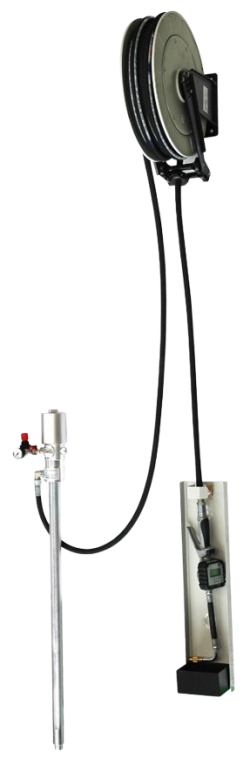
The system configuration should be selected based on consumption volumes. For 200-liter drums, pumps with lower flow rates are recommended, while for those who regularly use an AdBlue station with 1,000-liter IBC tanks, it is preferable to install complete kits. These systems provide flow rates of up to 30 liters per minute, ensuring fast and safe transfer operations.

Best practices for installation, use, and maintenance

To preserve the integrity of the fluid, keep containers tightly closed and protected from sunlight at all times. If AdBlue reaches its freezing point, allow it to thaw slowly at temperatures not exceeding 30°C. Regular maintenance of fittings and gaskets is the best way to prevent leaks and ensure maximum efficiency of the pumping system.

AdBlue dispensing equipment and systems

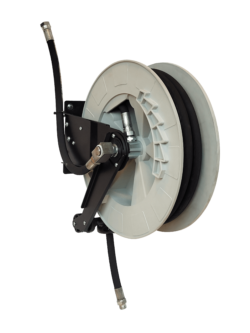
To set up an efficient refueling station, it is essential to choose certified equipment, including AdBlue flow meters for monitoring consumption. Here are a few examples.

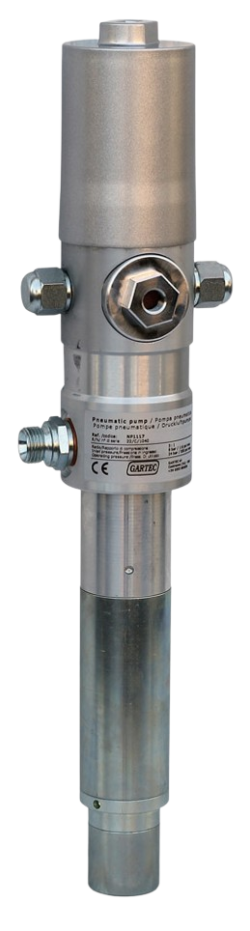
  • Pneumatic pumps: made of corrosion-resistant materials (stainless steel or engineering plastics), they ensure a constant and safe flow.
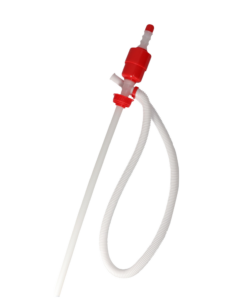
  • Hand pumps: polypropylene or stainless steel solutions for transferring liquids from drums. Lightweight and durable, they ensure maximum protection against contamination during transport.
  • Dispensing kits: Complete systems on carts or for IBCs, designed for clean, waste-free dispensing.

The use of dedicated components that comply with ISO 22241 ensures that the fluid reaches the engine free of contaminants, protecting the SCR technology and drastically reducing the cost of major repairs.

Request information

Write to us

For product information or to request advice from Gartec experts.