Products Air

Insights Operational Management of Compressed Air in Workshops and Industry

The use and proper management of compressed air directly affect:

  • Power supply for pneumatic tools and high-precision automation systems.
  • Fluid quality control through filtration and proper condensate separation.
  • Overall energy efficiency by reducing pressure drops and operational waste.

Compressed air management also requires attention to ensuring that components are properly sealed, that piping is correctly sized, and that operating pressure is maintained, in order to guarantee effective and consistent driving power at every point in the system.

A technical process fluid for distribution systems

From a technical standpoint, this fluid is a key process component that directly affects the lifespan of the machinery.

Unlike other energy carriers, it has an inherent vulnerability related to the presence of moisture and solid contaminants. Proper compressed air distribution requires a precise maintenance strategy throughout the entire network to prevent operational inefficiencies.

Treating this fluid as a generic service is a common mistake in the design of modern systems.

During the compression cycle, the air undergoes changes in temperature and pressure that alter its physical behavior.

Without proper compressed air treatment, condensation can build up in the lines, causing corrosion and damage to tools.

Compressed Air Quality and ISO 8573-1 Classification

The quality of the fluid is defined by ISO 8573-1 based on its particle, oil, and water content.

In standard applications, a dew point of approximately +3 °C is targeted to prevent the presence of liquid water. This level of quality is typically achieved by installing a refrigerated compressed air dryer.

Sensitive processes such as painting require high-efficiency filters and silicone-free materials.

Every workshop compressed air system must comply with specific regulations regarding workplace safety and pressure equipment.

Legislative Decree No. 81/2008 requires that components be kept in good working order through documented maintenance activities. Installations must also comply with the PED Directive regarding pressure vessels and safety valves.

System Design

Flow rate, pressure, and operational continuity

The system must be sized based on actual usage, taking into account peak loads and simultaneous operations. A drop in pressure throughout the network immediately results in a decline in the performance of the connected tools. The storage tank acts as a buffer to smooth out fluctuations and facilitate the initial separation of condensate from the compressed air.

A compressed air system without drying equipment retains all the water vapor drawn in from the environment. Under these conditions, liquid management becomes critical to maintaining the integrity of the pneumatic system. To minimize risks, it is necessary to use a compressed air condensate separator and drain the storage tanks frequently.

FRL units, local treatment, and pressure drops

The final treatment is performed by a compressed air FRL unit that combines filtration, regulation, and lubrication functions. These components ensure the protection of internal seals and maintain stable pressure at the point of use. Since each treatment stage introduces resistance to fluid flow, the assessment of pressure drops is central to the design.

Piping Materials: Air Quality, Corrosion, and Durability

The choice of material affects the purity of the fluid and long-term corrosion resistance. Professional compressed air hoses made of aluminum or stainless steel ensure smooth inner surfaces and reduce friction. PVC, on the other hand, should be avoided due to the high risk of sudden rupture under pressure.

Compressed Air in the Workshop: Real Challenges and Operational Needs

In the workshop, the main challenge is to supply clean, steady air to a large number of simultaneous users.

Improper compressed air management causes pressure drops and condensation buildup, which can damage tools. Key factors in the distribution system include pipe diameters, slopes, branches, and outlets.

Proper sizing of a compressed air system requires a careful analysis of the network’s layout to limit the fluid velocity. The main lines should have a slight downward slope to direct debris toward designated collection points.

Properly arranging the intake points improves the ergonomics of workstations and reduces hazardous clutter in the work area: air intakes must therefore be located at the top of the pipe to prevent liquids from being drawn toward the operator.

Press-fit technology for metal pipes is an advanced solution that ensures quick and safe installations.

These compressed air lines ensure mechanical strength and simplify any future network expansions. For specific applications, it is essential to verify the chemical compatibility of the O-rings in the connectors, opting for silicone-free configurations with FKM seals where necessary.

Distribution, hose reels, and practical line management

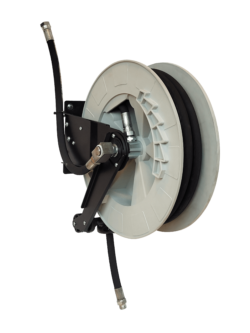
Using professional hose reels protects hoses from being accidentally crushed and keeps the workstation tidy.

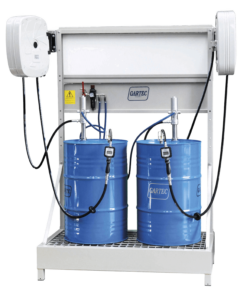
Installing a compressed air distribution kit allows for the standardization of supply points, thereby improving operator safety. This approach transforms the fluid from a simple utility into a truly controlled technical resource.

The proper operation of a compressed air system depends on the ability to integrate generation, treatment, and operational distribution.

Only through careful design can the fluid become a reliable and safe resource for the workshop.

Request information

Write to us

For product information or to request advice from Gartec experts.