Products Hydrocarbons
OUR RANGE

Made in Italy, Certified Quality

Insights Operational Management of Hydrocarbons in Workshops and Industry

The use and proper management of these fuels have a direct impact on:

  • Process safety and protection of operators against fire hazards.
  • Integrity of mechanical components thanks to the selection of chemically compatible materials.
  • Efficiency in manufacturing and maintenance operations through volatility control.

Professional management of hydrocarbons requires constant attention to the nature of flammable liquids to ensure effective and consistent operational control throughout the workplace.

Chemical and physical properties and operational behavior of hydrocarbons in the workshop

Industrial hydrocarbons are complex mixtures of organic compounds designed to perform specific energy-related and technical functions.

Depending on operational needs, gasoline, diesel, or technical solvents are used— substances that require storage and handling systems capable of managing significant vapor pressures and exhibiting a high affinity for organic materials.

This requires advanced solutions to prevent the formation of potentially explosive atmospheres (ATEX) and the degradation of incompatible elastomers. The use of specific materials, such as treated steels and engineering polymers, ensures stable operating conditions by preventing evaporation or corrosion that could compromise the durability of the systems.

Handling of Hydrocarbons: Safety and Material Compatibility

A key aspect of professional hydrocarbon management involves leak prevention and the compatibility of transfer systems.

Since these are highly volatile flammable liquids, it is essential to use fully sealed systems to preserve product quality and ensure workplace safety.

The integrity of the handling system must be ensured through the use of metals and plastics resistant to the solvent action of hydrocarbons, the use of specific seals designed to withstand aggressive fuels, and the integration of grounding systems to protect against the buildup of electrostatic charges.

Components suitable for hazardous environments eliminate the risk of fire and ensure that the fluid retains its operational properties without contamination.

Hydrocarbon Distribution: Flow Control and Safe Recovery

To ensure efficient distribution, it is necessary to use equipment that allows for precise control of the dosage and completely eliminates spillage.

Fuel recovery during maintenance also plays a vital role in operational management, as it allows gasoline and other hydrocarbons to be safely recovered from tanks, eliminating accidental spills during transfer operations and reducing personnel’s direct exposure to petroleum product vapors.

Integrating these systems optimizes workflows and ensures that every operation is performed in a way that is ergonomic and safe for staff.

Fuel Storage and Risk Management

The storage of hydrocarbons and flammable liquids is a critical process subject to strict environmental safety regulations.

A structured management of storage areas makes it possible to ensure that storage is a safe process that complies with current standards by containing spills using collection tanks and secondary containment systems, providing adequate ventilation of the premises to prevent the buildup of flammable vapors, and implementing logistics based on the use of certified and compatible containers.

Proper management of the fuel lifecycle significantly reduces the risk of accidents and improves the overall safety of industrial infrastructure.

Operational context: fuel recovery and technical solutions

The synergistic integration of pumping systems and professional recovery units provides added value in hydrocarbon management.

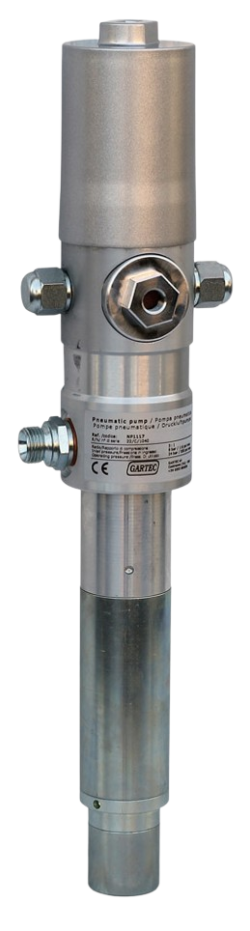
An example of technical excellence is our stainless steel pneumatic extractors, designed to operate under controlled conditions and ensure maximum precision in fluid recovery.

These units are characterized by their structural strength, ensured by the use of stainless steel tanks, simplified operation via integrated pneumatic control boxes, and constant monitoring of the fluid level to prevent overfilling.

The use of high-quality technical equipment allows for the standardization of emptying and recovery procedures, thereby raising the operational efficiency standards of the entire facility.

Operational Efficiency in Hydrocarbon Management

The adoption of an advanced technical approach transforms hydrocarbon management into a driver of industrial competitiveness.

Through careful design of distribution networks and the use of safe recovery solutions, companies can ensure high standards of quality.

A well-structured system allows you to:

  • Optimize operating costs by reducing waste of process fluid.
  • Minimize environmental impact through strict emission controls.
  • Ensuring the continuity of production processes in the most complex industrial environments.

The integration of pneumatic technologies and durable materials ensures maximum system longevity and full regulatory compliance.

In this context, the use of Gartec’s professional handling and recovery equipment is key to ensuring operational excellence, environmental safety, and comprehensive workplace safety.

Request information

Write to us

For product information or to request advice from Gartec experts.