Industrial antifreeze is a water-based heat transfer fluid formulated with glycols and specific additive packages designed to modify the fluid’s chemical behavior.
Depending on the system’s requirements,ethylene glycol orpropylene glycol antifreeze is typically used; these substances allow the system’s operating range to be expanded and ensure stable operating conditions.
The additives in the mixture perform vital functions such as limiting electrochemical corrosion and stabilizing the fluid, thereby preventing oxidation and the formation of deposits that could compromise the durability of internal components.
A key aspect of professionalantifreeze management involves preventing contamination and ensuring that inhibitors remain effective over time.
Since this is a complex chemical mixture, it is essential to avoid accidental mixing with products that have different properties, as this could affect thermal performance.
The use of closed systems and leak-proof connections in transfer lines helps preserve the quality of the original fluid, ensuring that the coolant retains its protective properties and preventing accidental spills that could damage the work environment or machinery.
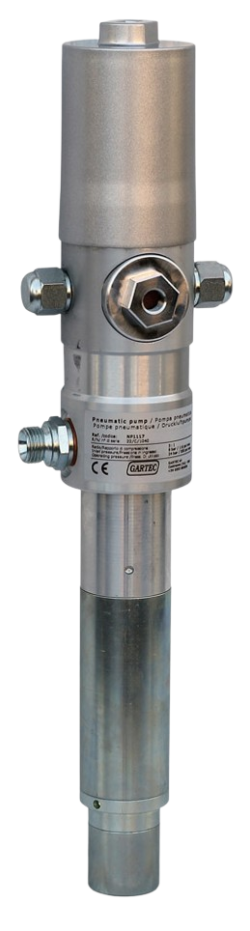
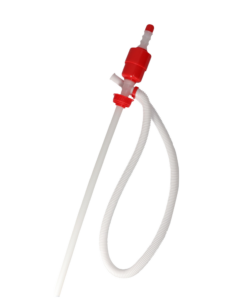
Air-operated pumps are the heart ofantifreeze distribution systems in modern workshops and industrial facilities.
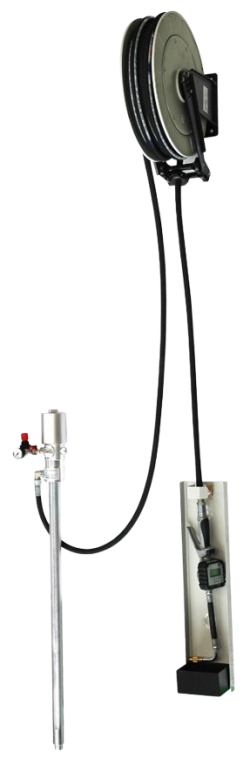
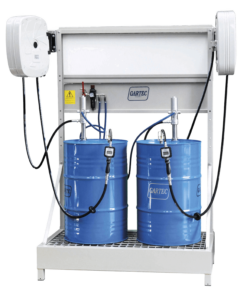
By utilizing compressed air, this equipment allows for the rapid transfer of fluid from drums or IBC containers to dispensing lines with minimal manual effort. Systems designed forindustrial antifreeze are constructed from compatible materials that withstand the chemical action of glycols, ensuring consistent flow rates and precise dosage control.
Integrating these pumps into centralized systems optimizes workflows and significantly reduces the time required for topping off and filling.
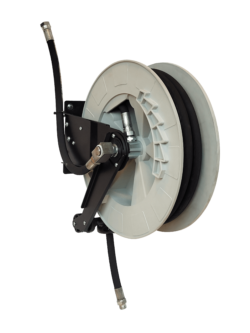
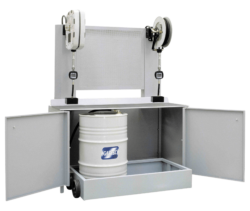
In the management of distribution lines, hose reels play an essential role in maintaining order and safety at workstations.
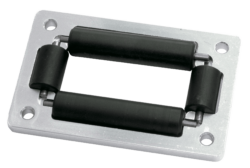
These components allow for neat and orderly routing of the pipes, protecting them from impacts and kinks that could cause leaks or disrupt the flow of coolant.
Thanks to their automatic rewind feature, hose reels reduce clutter in work areas and help extend the service life of the lines, ensuring thatantifreeze is always available at the point of use in a way that is ergonomic and safe for maintenance personnel.
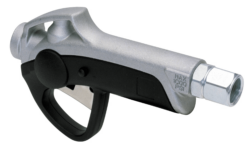
To ensure efficient and controlled application, the system must be equipped with high-quality spray guns and technical accessories.
Professional spray guns allow for precise flow control, reducing waste and improving accuracy during the maintenance of heating systems. A complete system also includes volumetric flow meters, control valves, and specialized fittings that ensure maximum operational reliability.
The use of specialized accessories allows for the standardization of filling procedures, ensuring thatthe industrial antifreeze reaches its destination without undergoing chemical changes or pressure loss.
Once its operational life cycle has ended, the fluid requires strict management focused on proper disposal and the protection of the workplace: the used product is classified as hazardous waste and must be stored exclusively in designated, properly labeled containers.
At this stage, it is essential to clarify where the antifreeze should be disposed of: the regulations require that it be taken to authorized facilities or through certified operators who ensure full traceability of the waste.
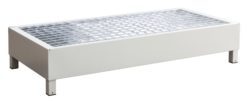
Optimizing this process involves the use of recovery units and storage tanks equipped with secondary containment systems to prevent accidental spills during transfer operations.
A structured management system ensures that the collection process is safe and compliant, improves the workshop’s logistics, and guarantees that every stage of the industrial antifreeze lifecycle meets the highest environmental and operational safety standards.
The synergistic integration of pumping, storage, and distribution systems transformsantifreeze management into a driver of operational efficiency.
A technical approach based on professional-grade components and compatible materials helps reduce the risks associated with corrosion and thermal degradation, ensuring the systems’ maximum longevity.
Through careful design of distribution networks and responsible management of the fluid lifecycle, companies can ensure high standards of quality and safety, optimize maintenance costs, and support the continuity of production processes.