Products Grease

Insight Recovery and Operational Management of Lubricating Grease in Workshops and Industry

A thorough understanding of the properties of lubricating grease is the first step toward selecting the most suitable equipment and ensuring uninterrupted plant operations. Managing lubricating grease requires systems capable of ensuring a steady, controlled flow, thereby preventing pressure drops, contamination, or mixing of incompatible products. The use and proper management of lubricating grease directly affect:

  • Protection of metal surfaces subjected to heavy loads and harsh conditions.
  • Control of flow distribution under conditions of high viscosity and pressure drops.
  • Long-term operational stability even under mechanical and thermal stress.

Grease management also requires attention to product compatibility, proper line sizing, and operating pressure to ensure effective and consistent lubrication throughout the entire system.

What is lubricating grease, and what factors affect its performance?

An industrial lubricating grease is a semi-solid or semi-fluid product composed of three key components: base oil, thickener, and additives. The base oil provides the primary lubrication, while the thickener binds the oil together and determines the product’s consistency.

Additives, on the other hand, are used to improve wear resistance, oxidation stability, and corrosion protection. In many common NLGI Class 2 applications, the base oil viscosity is often between 200 and 220 cSt at 40°C, ensuring an optimal balance between lubricating film protection and pumpability.

The type of thickener is also a key factor, as the use of a lithium grease or a complex lithium grease offers different performance characteristics in terms of mechanical stability and high-temperature resistance.

How to Read a Grease Data Sheet

Knowing how to correctly interpret a technical data sheet allows you to assess the NLGI consistency based on the worked penetration. An NLGI 2 product, one of the most commonly used in workshops, typically has a penetration between 265 and 295, a figure that directly affects how easily the grease spreads and the type of pressure required from the pumps.

A second key parameter is the grease viscosity relative to the base oil, which is essential for understanding cold-temperature behavior and predicting the extent of pressure drops. The drop point is often cited as a reference value for quality control, although it does not correspond to the actual maximum operating temperature. Finally, parameters such as corrosion protection and grease compatibility are vital, bearing in mind that seemingly similar products may react differently when mixed together.

Ratings, compatibility, and technical specifications

From a technical standpoint, grease classification is based on international standards such as NLGI, DIN 51502, and ISO 6743-9. The DIN 51502 standard is particularly useful for interpreting the correct application and the fluid’s behavior in the field. One of the most critical aspects concerns grease compatibility, since the uncontrolled mixing of different products can cause variations in consistency, oil separation, and system malfunctions.

In addition to chemical compatibility, it is essential to verify compatibility with the system’s materials. Gaskets, hoses, and seals must be compatible with the lubricant’s composition, especially in high-pressure systems where the choice of components directly affects the safety of the entire system.

From fluid to system: selecting grease equipment

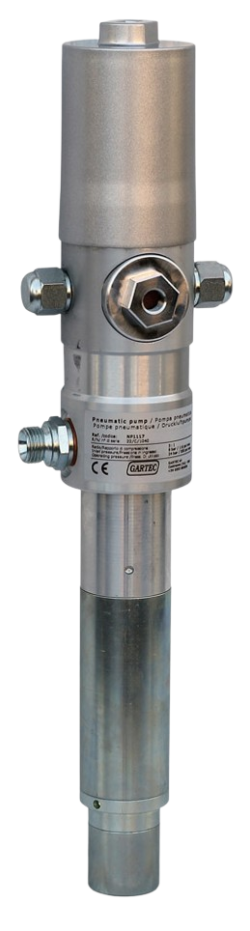
Grease is inherently more difficult to transfer than oil because its consistency causes a significant drop in pressure, especially in long lines or at low temperatures. For this reason, the selection of pumping systems must be based on the physical characteristics of the product. In many professional settings, a pneumatic grease pump with high pressure ratios, such as 50:1 or 80:1, is used. For example, an 80:1 pump for drums weighing between 180 and 220 kg is ideal for network distribution with multiple simultaneous users.

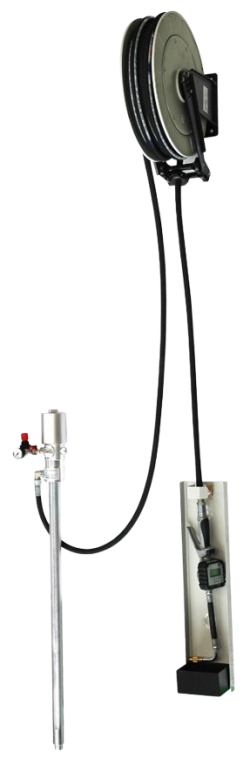
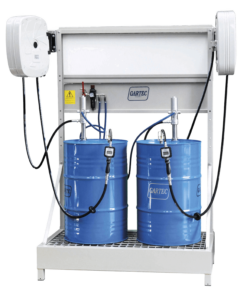
Based on these variables, it is possible to configure complete lubricant distribution systems, which may include:

  • pneumatic grease pumps
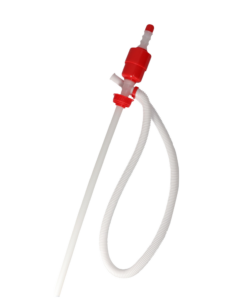
  • hand pumps
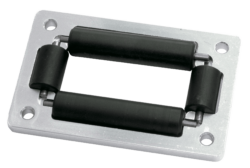
  • timing belt kit
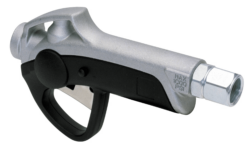
  • dispensing guns
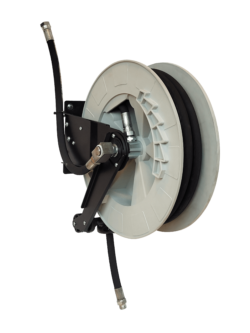
  • hose reel
  • accessories for pumping systems

These components must be selected based on their NLGI grade and viscosity: understanding the technical specifications of grease helps reduce downtime, improve operational continuity, and ensure that equipment delivers reliable performance over time.

Request information

Write to us

For product information or to request advice from Gartec experts.