

In machine shops and industrial maintenance departments,used oil is generated primarily from the replacement of lubricants used in internal combustion engines, transmissions, gearboxes, hydraulic systems, and industrial equipment.
During machine operation, the lubricant comes into contact with metal surfaces, combustion residues, and environmental contaminants that alter the fluid’s composition and density, making it difficult to draw in and pump. The main factors leading to the formation of used oil include:
- metal particles generated by component wear;
- carbonaceous residues and combustion products;
- water and condensation in the system;
- dust and environmental contaminants;
- degradation of lubricant additives.
The result is a fluid that can no longer be returned to the lubrication system and must be managed through used oil collection and recovery systems designed to ensure safety, efficiency, and compliance with environmental regulations through sealed storage and “zero-leak” procedures.
The process of recoveringused oil is one of the most critical steps in maintenance operations. In fact, when changing lubricants, the fluid must be extracted or drained from the system in a controlled manner to prevent spills in the workplace.
For this reason, workshops and industrial facilities use specialized systems for recovering used oil, designed to handle the fluid safely. These systems generally include suction pumps, drainage units, and transfer lines that allowused oil to be conveyed to collection systems.
The use of specialized equipment allows you to:
- draw the fluid directly from the engine or the tank;
- transferthe used oil to the storage systems;
- reduce the risk of accidental spills;
- Keep the work area clean and safe.
Proper management of used oil helps improve workshop efficiency, reduce the risk of spills, and keep the workplace clean and safe. For this reason, Gartec recovery systems are an essential component of modern maintenance operations, helping to optimize turnaround times and improve operational efficiency.
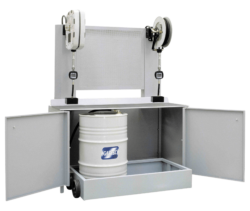
Once collected,used oil must be temporarily stored in suitable containers before being sent for recovery or disposal. For this reason, it is essential to use containers for used oil that are designed to ensure safety, chemical resistance, and ease of handling.
A container for used oil must be made of hydrocarbon-resistant materials and equipped with secure closure systems to prevent spills or environmental contamination. In professional settings, containers for used oil can be integrated with collection and filtration systems that facilitate fluid management.
The most common solutions include:
- used oil container with a collection tray and drainage system;
- collection unit with level indicator;
- modular storage systems for workshops;
- containers equipped with a filtration and impurity separation system.
These systems enable efficient management of used oil, ensuring maximum safety during maintenance operations.
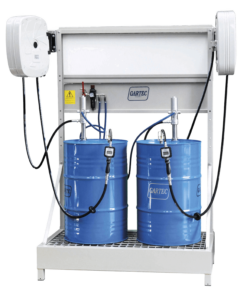
Among the most commonly used solutions in workshops for the temporary collection of used fluids are used oil drums. These are sturdy, easy-to-move containers designed to collectused oil during routine maintenance operations.
Containers for used oil are often equipped with:
- safety lids;
- drainage systems;
- exhaust valves;
- wheels to make it easier to move around the workshop.
Thanks to their convenience, used oil drums are an ideal solution for workshops that frequently change lubricants and need quick and efficient collection systems.
When the volume of used oil to be managed becomes significant, it is necessary to use storage systems with greater capacity. In such cases, a used oil tank is used, designed to store large volumes of fluid before it is transferred to used oil recovery or disposal systems.
A used oil tank is typically installed in designated areas and may be equipped with:
- spill containment systems;
- level indicators;
- controlled exhaust valves;
- secondary containment systems.
The use of a used oil tank enables workshops and industrial facilities to efficiently manage their used oil flows, reducing the frequency of emptying operations and improving the logistical organization of maintenance activities.
Efficient waste oil management does not depend on a single piece of equipment, but on an integrated system of solutions designed to work together. In a modern workshop, the recovery, transfer, and storageof waste oil are supported by various types of equipment.
Among the main solutions used are:
- exhaust oil extraction and recovery systems;
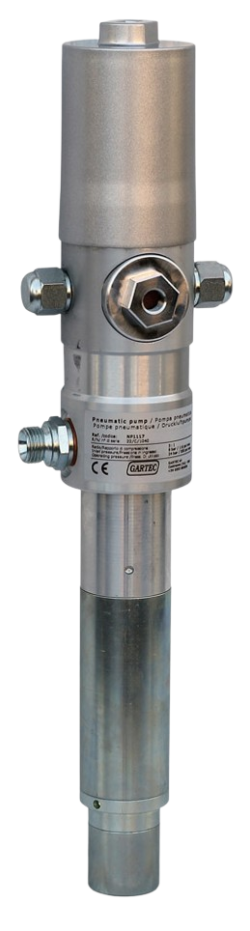
- pneumatic pumps for fluid transfer;
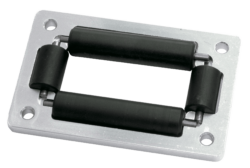
- hose reels for neat organization of suction lines;
- containers for used oil for temporary storage;
- containers for used oil for on-site collection;
- storage systems such as the used oil tank.
Integrating this equipment helps optimize workflows and improve operational safety during maintenance operations.
Used oil is classified as hazardous waste and must be managed in accordance with applicable environmental regulations. Improper managementof used oil can pose environmental risks and result in regulatory penalties, as well as compromise workplace safety.
For this reason, it is essential to use appropriate collection systems and certified equipment, such as used oil containers, used oil drums, or storage systems like used oil tanks.
Proper management of used oil allows you to:
- prevent environmental contamination;
- reduce the risk of accidental spills;
- improve operator safety;
- ensure compliance with regulations governing the disposal of used oil.
In industrial settings and modern workshops, the management of technical fluids is a key component of maintenance operations. The use of professional systems for the recovery and storageof used oil helps improve operational efficiency and maintain high safety standards.
The combined use of used oil recovery systems, used oil containers, used oil drums, and storage systems such as used oil tanks enables the management of the entire used oil cycle, from collection through to delivery to authorized used oil disposal operators.
In this way, workshops and industrial facilities can ensure the proper management of used oil, improving workflow, reducing environmental risks, and ensuring full compliance with applicable regulations.