

Every new industrial lubricant consists of a base stock (mineral, synthetic, or semi-synthetic) combined with functional additives designed to enhance the fluid’s performance, which give the new lubricating oil specific properties:
- anti-wear (AW) additives to reduce surface wear;
- extreme pressure (EP) additives for high-load applications;
- detergent and dispersant additives to keep the circuits clean;
- antioxidants that slow down the chemical degradation of the fluid;
- viscosity modifiers to ensure stability at different temperatures.
The result is a fresh lubricating oil capable of operating under widely varying load and temperature conditions without losing its protective properties.
One of the most critical aspects of managing new workshop oil is controlling contamination. Even virgin lubricant can degrade rapidly if exposed to solid particles, moisture, or chemical contaminants during storage and distribution. Contamination of workshop lubricants is one of the main causes of premature wear in mechanical components; for this reason, the managementof new lubricating oil requires systems designed to:
- prevent dust and contaminants from entering;
- keep the fluid in closed circuits;
- ensure leak-tight connections in the transfer lines;
- maintain the quality of unused lubricant.
The quality of the lubricant when it enters the mechanical system is a key factor in determining the lifespan of machinery and the efficiency of systems: Gartec technology not only preserves the quality of the lubricant but also optimizes the entire industrial maintenance chain, ensuring longer-lasting machinery and smoother production processes.
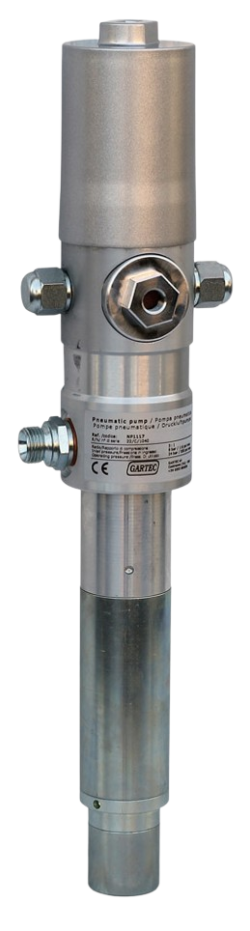
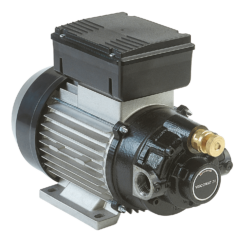
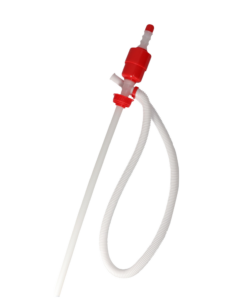
Air-operated pumps are the heart of fresh oil distribution systems in workshops and industrial facilities. By utilizing compressed air, they enable the transferof fresh lubricating oil from drums or central tanks to dispensing lines quickly, in a controlled manner, and without manual effort.
Pumps designed for workshop lubricants are sized to handle fluids of varying viscosities and ensure consistent flow rates even under heavy-duty operating conditions. The most common configurations involve installation on lubricant drums (180–220 liters), on centralized storage tanks, or within distribution systems.
To maintain the integrity of the lubricant, it is essential to use closed, professional dispensing systems that preserve its purity right up to the point of dispensing. The use of pneumatic pumps allows for the quick and controlled transferof fresh workshop oil, reducing the need for manual handling of containers and improving the precision of filling operations.
Thanks to their durability and ease of operation, pneumatic pumps offer a particularly reliable solution for demanding work environments. Integration with piping, hose reels, flow meters, and fluid management systems also makes it possible to create complete distribution systems designed to optimize lubricant flow, reduce operating time, and ensure high standards of safety and control.
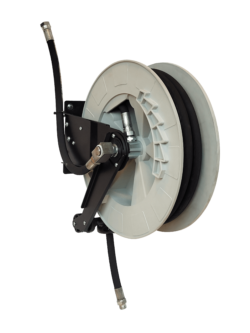
In new oil distribution systems, hose reels play an essential role because they allow for neat and orderly management of the hoses, protecting them from impacts, kinks, damage, and environmental contaminants. Hose reels for workshop lubricants are designed to ensure:
- controlled unwinding of the hose while dispensing the new lubricating oil;
- automatic rewind after use;
- protection of pipes from impacts and environmental contaminants;
- greater order and safety in the workplace.
Thanks to these features, hose reels help keep work areas more organized, reducing the risk of damage to distribution lines and improving ergonomics for operators. At the same time, they promote longer hose life and more efficient dispensing management. For this reason, they are a fundamental component in professional lubricant dispensing systems, particularly in settings where operational precision, system reliability, and personnel safety are essential requirements.
In the most advanced maintenance facilities, the distributionof fresh lubricating oil is integrated with computerized technical fluid management systems. This not only allows for precise monitoring of the flow of workshop lubricants distributed to various workstations, but also provides useful data for analyzing consumption, planning procurement, and reducing waste, thereby improving safety and regulatory compliance.
Computerized management systems allow you to:
- record new oil dispensing operations;
- monitor the consumption of new lubricants;
- monitor the quantities dispensed per vehicle or machine;
- optimize the management of new industrial lubricants in the workshop.
This technological integration improves the traceability of maintenance operations and enables more efficient management of technical fluids, facilitating continuous quality control of the materials dispensed. The adoption of computerized management systems transforms oil distribution from a support function into a concrete driver of efficiency, safety, and return on investment for the workshop.
To ensure efficient and controlled distribution of fresh lubricating oil, it is not enough to simply have pumps and transfer lines; the system must be supplemented with a range of technical accessories designed to optimize delivery, improve consumption control, and ensure maximum operational reliability. A complete system for managingfresh lubricating oil includes numerous accessories designed to ensure precision and reliability in fluid distribution.
The main components used in fresh oil distribution systems include:
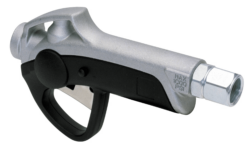
- lubricant dispensing guns for workshops;
- volumetric flow meters for monitoring the volume dispensed;
- control and check valves;
- fittings and piping for the distribution of unused lubricant.
These components complete the distribution circuit and enablethe new lubricating oil to be managed with high precision.
Using high-quality accessories allows for more precise control of the dispensed quantities, reduces fluid loss, and ensures the reliable long-term operation of the entire system. Furthermore, proper integration of these components helps improve workplace organization and makes lubricant maintenance and management operations more efficient.
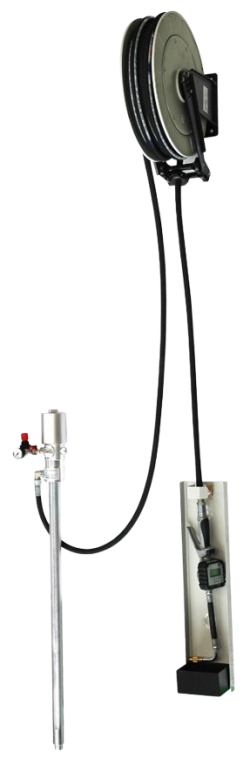
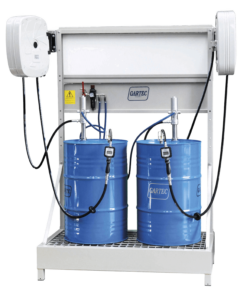
These kits are ready-to-use solutions for managing fresh oil and industrial lubricants. These systems combine various components to create a complete fluid transfer and dispensing system, ideal for those seeking easy installation and maximum operational reliability.
A new oil distribution kit may include:
- pneumatic pumps for pumping new lubricating oil;
- pipes and fittings for fluid transfer;
- dispensing guns with volumetric measurement;
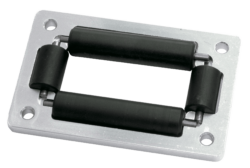
- mounting and installation systems.
The use of integrated systems makes it possible to quickly set up an efficient network for managing workshop lubricants, improving operational continuity and control over maintenance operations. Furthermore, choosing complete kits allows for standardization of the distribution system, simplifying installation, maintenance, and future expansion of the system, with tangible benefits in terms of efficiency, reliability, and workplace organization.
Proper handlingof new lubricating oil is essential for maintaining the quality of technical fluids and ensuring the reliability of machinery. Proper storage and distribution of new oil ensures that the properties of the virgin lubricant remain unchanged until it is used.
For this reason, the use of technical solutions designed for the controlled management of lubricants is becoming increasingly common in modern workshops and industrial facilities. The integration of pneumatic pumps, hose reels, computerized management systems, pumping accessories, and distribution kits makes it possible to create complete and reliable systems for the distribution of fresh lubricating oil.
These systems enable you to optimize workflows, improve control over dispensing operations, and enhance safety at workstations, leading to more efficient management of new lubricants within the workshop or production facility, while supporting high standards of quality, traceability, and operational continuity.